

Okay, so check this out—crypto life is messy. Really messy. Wallet names, token tickers, cross-chain bridges, and NFTs that look like art but sometimes act like tulips. Whoa! For anyone handling assets across Ethereum, BNB Smart Chain, Solana, and a handful of layer-2s, you quickly learn that visibility matters, and that visibility must be paired with security. My instinct said you could just “use any wallet,” but then I lost track of a rare NFT in a sea of small tokens and had to rebuild my mental map—ouch. Initially I thought a portfolio view was a luxury, but then realized it’s survival; it’s the difference between seeing exposure and being surprised by it.
Portfolio trackers are more than pretty charts. They aggregate balances across chains, normalize token prices, and let you spot concentration risk. Short-term traders like quick glances at P&L. Long-term holders want trends and tax-ready exports. You need both. Hmm… and if the tracker doesn’t support NFTs, you’re blind to a growing slice of on-chain value—digital collectibles, game assets, domain names—these are real holdings now. On one hand some folks will say “NFTs are speculative,” though actually, many NFTs are functional, yield-bearing, or tied to governance. On the other hand, NFT metadata can be messy and even disappear if not stored well.
Let me be honest—UX matters. I once spent twenty minutes trying to find a single NFT I’d bought at a conference (oh, and by the way…) because the wallet showed token balances but not tokens with on-chain metadata. That part bugs me. Why make people hunt? So usability is not fluff: it’s a security feature. Confusion leads to mistakes, and mistakes lose funds. This is where a thoughtful multichain wallet shines: consolidated balances, quick cross-chain context, and clear NFT galleries that tell you provenance, token ID, and marketplace links so you can act fast.
How the Best Portfolio Trackers Work (and Where They Trip Up)
A good tracker pulls live balances from many chains and standardizes token pricing. Medium complexity stuff. It needs to handle wrapped assets, LP tokens, and cross-chain bridged coins without double counting. Simple wallets sometimes show both the bridged token on destination chain and the original token—confusing. Seriously? Yeah. Also, orphaned tokens or tokens with broken metadata can inflate counts. My working rule: trust on-chain proofs first, then UX helpers second. But actually, wait—let me rephrase that: trust on-chain data for raw values, and trust UX to make sense of it. On-chain facts can be ugly though; you still need good heuristics to avoid showing users misleading positions.
Portfolio features I look for: historical P&L, per-chain breakdowns, NFT valuations (estimated), token categorization, and easy export for taxes. Some wallets add alerts for sudden balance changes. That feature has saved me from bad bridge mishaps more than once. Small detail, but very very valuable.
NFT Support: Not Just a Gallery
NFTs are weird assets. They’re both collectibles and occasionally functional keys to dApps. A wallet that treats NFTs like second-class citizens—just another token balance—misses their nuances. You want previews, provenance, embedded royalties info, and links to marketplaces. You also want clear transfer flows for high-value pieces, extra confirmations for signature requests, and metadata caching so you don’t lose context if an off-chain host fails. I’m biased, but a dedicated NFT tab that separates collectibles from utility tokens is a life-saver.
One tricky part: valuing NFTs. Prices are volatile and thinly traded. A conservative wallet shows market comps but flags that valuations are estimates. Don’t take floor price as gospel. My gut says treat NFT values as sentiment indicators, not bankable assets—unless you can reliably liquidate them on a marketplace. That said, seeing your whole portfolio, including NFTs, together helps with risk decisions. You might rebalance if one NFT drop becomes a bigger piece of your net worth than intended.
Seed Phrase Handling: The Central Security Truth
Seed phrases remain the root of your on-chain identity. Short sentence: guard them like passports. Long thought: the wallet should make backing up your seed phrase simple, secure, and repeatable without being patronizing. Many wallets rush users through the step or hide backups behind advanced menus. That’s a bad pattern. A wallet that enforces a clear backup flow and offers options like hardware-key integration, encrypted cloud backups (optional), or multisig recovery is doing the responsible thing.
I once used a wallet that offered “cloud backup” and it stored an encrypted seed remotely. Thought it was convenient. Later, when I switched devices, decrypting the backup was a headache because I forgot the subtle passphrase variation I’d used—my fault, sure, but the wallet could’ve offered better cues. Something felt off about the UX there, and my instinct said don’t rely solely on cloud storage. Multilayered backups give peace of mind: a hardware wallet for day-to-day signing, a paper or steel backup in a safe, and an encrypted seed in the cloud only if you understand the trade-offs.
Also—and this is crucial—test your backups. Seriously? Yes. Try restoring to a spare device. Many people never verify their backups until it’s too late. The best wallets walk you through a restore simulation. Little friction, big payoff.
Security Practices That Actually Matter
Security is not just private keys. It’s permissioning and signature hygiene. Short phrase: review what you sign. Wallets that display full-intent descriptions and the exact contract addresses for approvals cut down on phishing. Longer thought: some dApps request unlimited token approvals; that’s a convenience trap. A wallet that offers granular approvals (amount-limited, time-limited) and shows the source contract reduces long-term risk. Initially I ignored approvals for a DeFi farm, but then I learned that one unlimited approval could empty an account if the farm were compromised. On one hand you want convenience, though on the other you need limits.
Multi-account support helps too. Keep separate accounts for yield strategies, NFT collections, and everyday spending. This isolates risk. People who keep everything in one seed are asking for trouble. And yes, multisig for bigger pools of funds is a must; if you’re managing community treasury or DAO assets, single-key control is reckless.
Why UX and Security Must Be Married
Design choices drive behavior. If confirming a transaction is too complex, users will click through. If approvals are buried, they’ll accept defaults. The wallet that gets both right nudges good behavior. My approach is pragmatic: build gentle friction where it matters (big transfers, approvals), and speed up low-risk flows. Also include educational microcopy—quick, human notes that explain the trade-offs. People respond to small cues. They also need reminders to update firmware on hardware wallets, check domains before signing, and keep backups offline as appropriate.
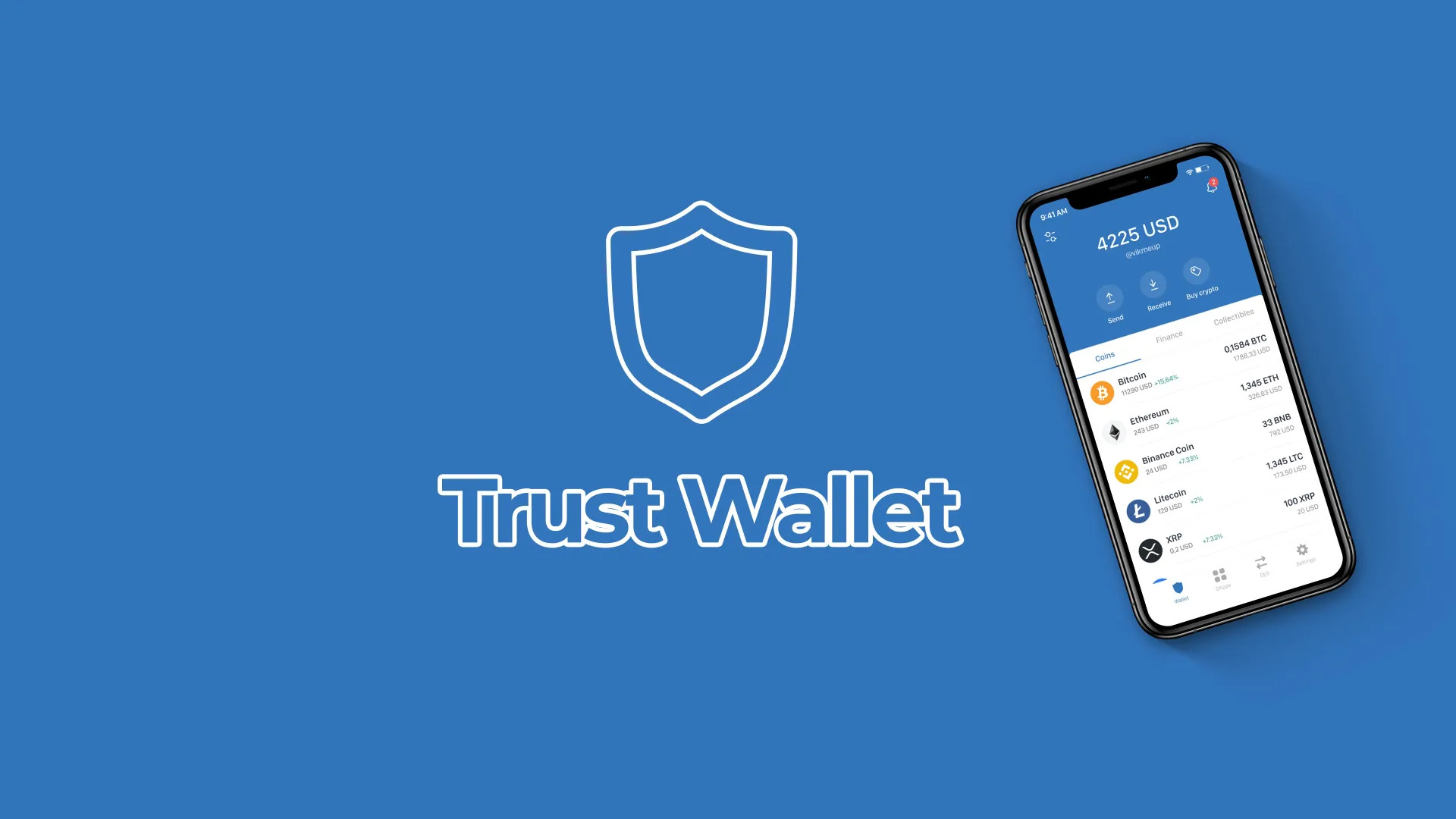
Okay, so quick shout: if you want a wallet that balances multichain portfolio tracking, NFT-first display, and practical seed phrase workflows, check out truts wallet. I say that because its approach to aggregating assets felt intuitive when I tried it, and their backup flow is clear without being preachy. I’m not claiming it’s perfect—no single product is—but it’s a sensible place to start.
FAQ
How often should I check my portfolio tracker?
Daily is fine for active traders. Weekly works for long-term holders. But set alerts for large balance swings and suspicious approvals so you don’t have to stare at charts all day.
Do wallets value NFTs accurately?
Not always. Most valuations are estimates based on recent sales and floor prices. Treat them as indicative, not definitive. If you rely on NFT valuations, use multiple sources and be cautious with thinly traded items.
What’s the best seed phrase backup strategy?
Use multiple backups: a hardware wallet for everyday use, a physical steel or paper backup stored securely, and an optional encrypted cloud recovery only if you understand the encryption process. Test your restores—don’t assume backups work.
Wrapping up in a way that doesn’t feel like a formal wrap-up—because I dislike those—here’s the rub: your tools shape your outcomes. A wallet that shows everything without protecting it is worse than a secure but opaque one. You want transparency, context, and sensible safety defaults. I’m not 100% sure which wallet will be the market leader next year, but the principles won’t change. Stay skeptical, back up, and keep an eye on NFTs like they matter—because increasingly, they do. Somethin’ to chew on…